How to Troubleshoot Common Residential Solar System Problems
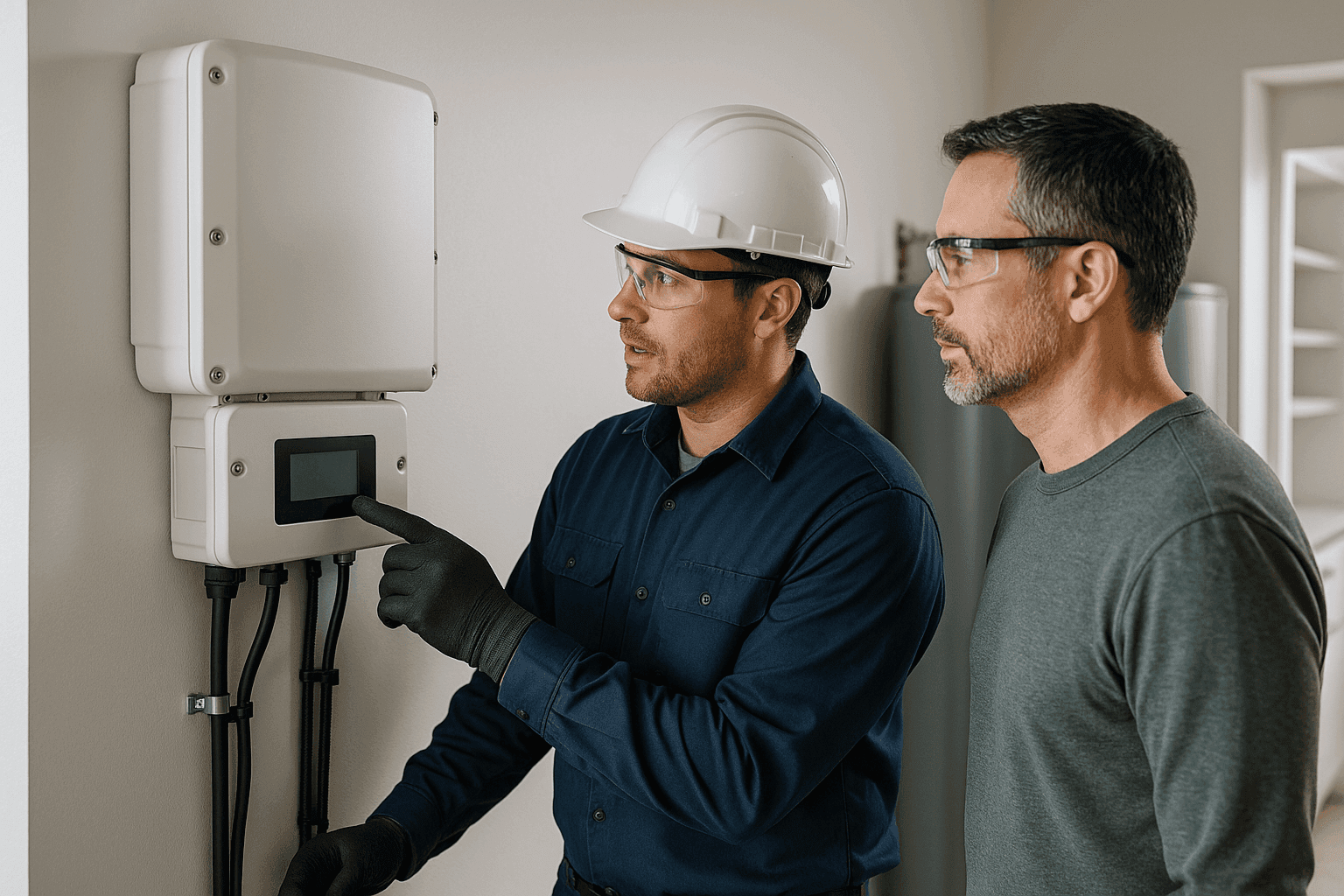
Solar panels soaking up the sun on your roof are a beautiful sight. But what happens when your system suddenly isn’t pulling its weight? That sinking feeling—watching your energy bill creep up, or glancing at your monitoring app and seeing a big, red “error”—is all too familiar for many homeowners.
At Vintage Roofing Solar, we’ve helped hundreds of families troubleshoot everything from simple inverter resets to full-blown post-storm outages. Here’s how you can confidently spot, diagnose, and address the most common residential solar system problems—while staying safe and knowing when to reach for the phone instead of the toolbox.
Warning Signs of Solar System Problems ⚠️
Your solar system is meant to work in the background, quietly converting sunlight into savings. Trouble usually announces itself in a few unmistakable ways:
- Unexpected Utility Bills: A spike in your power bill, even though your usage hasn’t changed.
- Monitoring Alerts: Red flags from your solar monitoring app, or no data showing up at all.
- Inverter Warnings: Flashing lights, beeping sounds, or error codes on your inverter.
- Visible Damage: Cracks, burn marks, or loose wires on panels or system components.
- Performance Drop: Your system is producing much less energy than it did last month, even though the weather’s the same.
If you spot any of these, don’t ignore them. Solar systems are tough, but ignoring small issues is like letting a slow leak drip in your attic—eventually, it’ll cause bigger damage.
Step-by-Step Troubleshooting Flow
Before you grab a ladder or start poking around your electrical panel, take a breath. Follow a logical path, just like our certified technicians do:
1. Check Your Solar Monitoring App
- Is your app or online portal showing a warning symbol, or just no data?
- Compare today’s output to the same time last week or last month.
2. Visual Inspection from the Ground
- Walk around your home. Look for obvious issues: fallen branches, debris, or visible damage.
- Are your panels covered by new shade (like overgrown trees or storm debris)?
3. Check Your Inverter Display
- Is the inverter light green? Great. If it’s red or flashing, note the error code.
- Listen for unusual sounds—buzzing, clicking, or silence when there shouldn’t be.
4. Review Circuit Breakers
- Check your main electrical panel for any tripped breakers.
- Some systems have a dedicated disconnect switch—make sure it’s in the “on” position.
5. Consider Recent Weather
- Heavy rain, hail, or wind? Systems can go offline after storms.
- If there’s been a grid outage, your solar may shut down for safety.
If you’ve made it this far and still can’t find a clear answer, don’t worry. Most homeowners can diagnose, but not always fix, solar issues without special tools or training.
Inverter and Monitoring Checks
The inverter is the “engine” of your solar system. If something’s wrong here, your solar panels can’t convert sunlight into usable power.
What to Look For
- Error Codes: Every inverter brand (like SolarEdge, Enphase, or SMA) has its own way of displaying problems. Jot down any codes or warning lights.
- No Power or Display: If your inverter is completely dark, it might have lost its power source—or it could be a bigger electrical issue.
- Frequent Resets: An inverter that needs resetting every few days may be overheating or have a failing component.
Tip from our team: Always take a photo of the error code or warning light. This makes it much easier for a technician to diagnose the problem—especially if the error disappears before help arrives.
When to Reset or Power Cycle
Sometimes, just like a frozen laptop, your solar system needs a reboot. Here’s when and how to try a reset—safely.
Safe Reset Steps
- Read Your System Manual: Every solar system is different. Follow the shutdown and startup sequence recommended by your manufacturer.
- Turn Off the Inverter: Use the DC disconnect switch or follow the labeled instructions.
- Turn Off the AC Breaker: Only if you feel comfortable. If not, skip this step and call a pro.
- Wait 3–5 Minutes. Give the system time to “clear its head.”
- Start Up in Reverse Order: AC breaker first, then inverter.
Never reset your system if you smell burning, see sparks, or hear buzzing. These are signs of a serious electrical hazard.
Safety Precautions for Homeowners
Solar energy is safe, but remember: You’re dealing with electricity and rooftop equipment. Here’s when to stay on the ground:
- Never climb on your roof to inspect panels. Leave rooftop checks to the pros with the right safety gear.
- Don’t open inverter covers or electrical boxes. High voltages inside can cause serious injury.
- Don’t touch exposed wires, damaged panels, or wet equipment. Water and electricity don’t mix.
- If you see smoke, fire, or severe damage, evacuate and call 911.
When in doubt, err on the side of caution. The National Electrical Code (NEC) and OSHA both emphasize that only trained, certified personnel should open or repair solar electrical components.
When to Call an Expert
DIY has its place—tightening a loose screw, cleaning panels with a garden hose, or checking your monitoring app. But some jobs call for a certified solar technician.
Call in the Pros If:
- You see error codes you don’t understand, or the monitoring system won’t connect.
- There’s visible damage to panels, wiring, or mounting hardware.
- Your inverter is dead, making loud noises, or smells hot.
- System output drops by 20% or more for more than a week.
- After a severe storm, even if you can’t see any damage.
Common Mistakes to Avoid
- Don’t reset your system over and over if errors keep coming back. This could hide a bigger problem.
- Don’t ignore warning lights just because the power is still on.
- Avoid using metal ladders or tools near electrical equipment.
A Vintage Roofing Solar technician can quickly isolate the issue, test safely, and get you back on the grid—or recommend next steps for repair, replacement, or even filing warranty claims.
Common Seasonal and Weather-Related Issues 🌦️
Storms, heatwaves, and even falling leaves can impact your solar system’s performance.
- After Storms: Check for debris, hail impact, or water pooling near your inverter. If your system is off after a storm, don’t try to restart it until a professional inspects for hidden damage.
- Winter Months: Snow cover, ice dams, or extended cloudy periods can lower production—this is normal and usually temporary.
- Spring and Fall: Watch for pollen, dust, or leaves collecting on panels. Schedule a professional cleaning if needed.
Trust-Building Tips From Certified Technicians
Our technicians at Vintage Roofing Solar recommend:
- Keep a simple system log. Note down any issues, error codes, and resets. This helps diagnose recurring problems.
- Read your warranty paperwork. Some fixes might be covered—don’t void it by opening equipment yourself.
- Schedule annual inspections. Just as you service your HVAC, have your solar system checked every year.
FAQ: Solar System Troubleshooting
How do I know if my solar panels are working?
Check your monitoring app or inverter display for daily energy production. If numbers drop sharply or stay at zero, there’s a problem.
Can I clean my own solar panels?
For ground-level panels, use a hose and soft brush. Never use harsh chemicals or climb onto your roof—leave high or hard-to-reach panels for a pro.
Is it normal for my system to shut off during a power outage?
Yes. Most grid-tied solar systems automatically shut down during outages to protect utility workers (per NEC guidelines).
Can I upgrade or expand my solar system myself?
No. System upgrades, battery storage, and integration with new panels require professional design and installation to ensure safety and code compliance.
When It’s an Emergency
Don’t hesitate—call for help immediately if:
- You see smoke, sparks, or fire near your solar equipment.
- There’s flooding, water intrusion, or storm damage affecting your system.
- You hear loud popping, cracking, or burning smells from the inverter or electrical panel.
In these cases, shut down your main breaker (if safe), evacuate the area, and contact emergency services.
Prevention and Maintenance Tips
An ounce of prevention really is worth a pound of cure. Here’s how to keep your solar system running strong:
- Clear debris from panels and around inverters regularly.
- Trim trees and shrubs to prevent new shade from blocking sunlight.
- Schedule annual pro inspections—they’ll catch minor issues before they become big repairs.
- Review your monitoring data every month for sudden changes or alerts.
The Real Costs & Time Factors
- Troubleshooting visits may take 1–2 hours on site, more if advanced testing or repairs are needed.
- Parts replacements or panel repairs can add days if equipment must be ordered.
- Annual maintenance is quick and affordable—think of it like a yearly checkup for your home’s energy system.
Investing in regular care helps avoid bigger, more expensive breakdowns down the road.
Final Thoughts
Solar energy is reliable, but every system needs a little attention now and then. With the right steps—and a safety-first mindset—you can spot most issues early, and handle the basics with confidence. For anything bigger, you’ve got a partner you can trust.
Call Vintage Roofing Solar now — or reach us anytime at 877-837-7706 .