How to Winterize Your Solar Panels for Maximum Efficiency and Safety
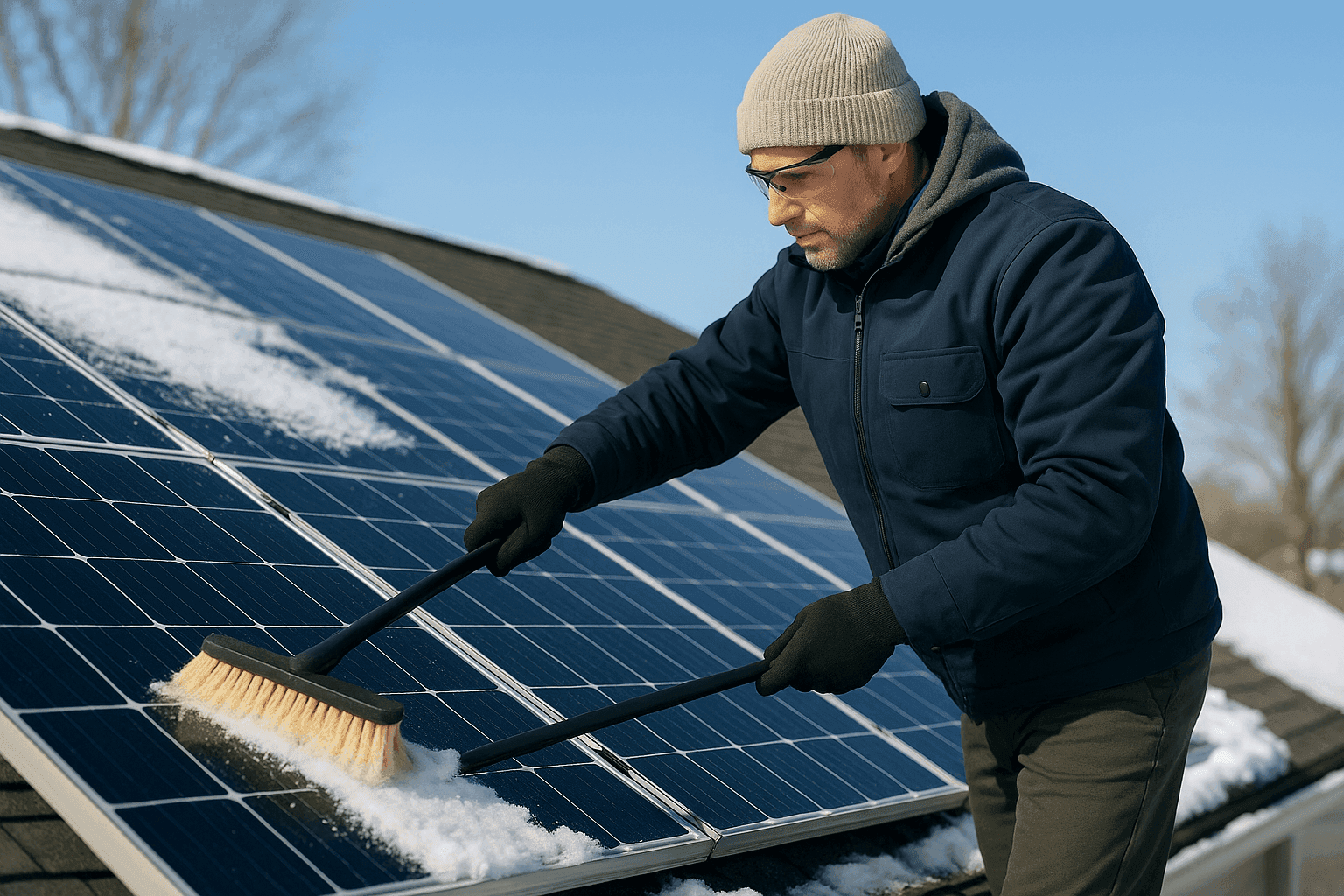
When winter's chill sets in, your solar panels face a new set of challenges. Homeowners often wonder: Will my solar investment survive the snow and ice? Can I keep producing clean power when the days are short and cold?
At Vintage Roofing Solar, we know how quickly winter weather can turn a bright rooftop into a slippery, snow-covered puzzle. With decades of experience in emergency solar and routine care, we’re here to help you protect your panels and your peace of mind.
Preparing Your Solar Panels for Winter ❄️
Think of winterizing your solar panels like putting on a warm coat before heading outside. It’s about preparation, protection, and paying attention before the first snowflake falls.
- Inspect for visible damage: Look for cracks, loose mounting brackets, worn wiring, or corrosion. Freezing temperatures can make small problems much worse.
- Clean the panels: Dirt, leaves, and debris block sunlight, especially when the sun sits lower in the sky. Use a soft brush or sponge—never anything abrasive.
- Check system performance: Monitor your inverter and energy output. Unusual dips could signal hidden issues.
- Review your panel angle: In many cases, a steeper tilt helps snow slide off and captures more winter sun. Adjust if your mounting system allows.
- Trim overhanging branches: Heavy snow or ice can break limbs, dropping them onto your panels.
According to the National Renewable Energy Laboratory (NREL), regular inspections before winter can prevent up to 80% of cold-weather failures.
Safe Snow and Ice Removal Methods
Snow and ice are heavy. They’re also slippery and unpredictable—like a surprise guest who overstays their welcome. Removing them safely is crucial for both your panels and your own well-being.
Safety First
- Never climb onto an icy roof. Falls are a leading cause of winter injuries.
- Use a telescoping roof rake with a soft, non-metal head. Stand on the ground and gently pull snow downward.
- Avoid hot water or de-icing chemicals. Rapid temperature changes can crack glass and void your panel warranty.
- Don’t chip at ice. Let sunlight do the work when possible—panels often warm up and melt ice faster than other surfaces.
If snow is light and fluffy, a gentle sweep is enough. For thicker, packed snow, patience is your best tool. Never use sharp tools or excessive force.
When Heavy Snow Persists
If more than a few inches of snow remain for days, or if you notice ice dams forming along the roofline, it’s time to consider professional help.
Maintaining Solar Efficiency in Cold Weather
Winter sunlight is like a flashlight on low batteries—dimmer and at a steeper angle. But with the right strategies, your panels can keep producing.
- Keep panels clean: Even a dusting of snow can block significant sunlight. Check after each storm.
- Monitor output: Use your system’s monitoring app or inverter display. Compare daily production to past winters.
- Optimize your battery storage: Cold weather can reduce battery efficiency. Keep batteries insulated and check their charge regularly.
- Adjust for shading: Winter sun casts longer shadows. Trim shrubs or trees that may block sunlight during the shortest days.
Fun fact: Cold temperatures can actually improve solar panel efficiency, as long as the panels are clean and unshaded. The trick is keeping them clear and operational.
When to Call a Professional for Winter Solar Maintenance 🛠️
Not every winter problem is a DIY fix. Sometimes, calling in the pros is the safest and most effective option.
Signs You Need Professional Help
- Persistent snow or ice: If you can’t safely clear your panels from the ground.
- Visible damage: Cracks, loose wiring, or sagging mounts after a storm.
- System alerts: If your inverter or monitoring system shows errors you can’t resolve.
- Water leaks: Moisture inside your attic or ceiling near the panel mounts.
Vintage Roofing Solar’s team is trained in emergency solar response and follows Occupational Safety and Health Administration (OSHA) guidelines for rooftop work in winter.
What Professionals Do
- Comprehensive inspection: Check every panel, mount, and cable for winter damage.
- Safe snow removal: Use specialized tools and harnesses to clear panels without risk.
- Performance testing: Ensure your system is operating at peak efficiency.
- Preventative maintenance: Tighten connections, reseal penetrations, and make small repairs before they become big problems.
Seasonal Troubleshooting Tips
Winter brings unique challenges. Here’s how to spot and solve common issues before they become emergencies:
- Inverter shut-downs: Often caused by snow covering panels or wiring faults. Clear panels and check connections.
- Unexpected drops in output: Could be due to shading, soiling, or system faults. Compare to last year’s data.
- Ice dams: These can force water under shingles and into your home. Keep gutters clear and check roof insulation.
For more detailed guidance, the International Association of Certified Home Inspectors (InterNACHI) offers resources on winter solar care.
Solar Panel Winterization Safety Checklist
- [ ] Inspect panels and mounts for damage
- [ ] Clean panels with soft tools
- [ ] Check system performance and monitoring
- [ ] Adjust tilt if possible
- [ ] Trim nearby trees and branches
- [ ] Prepare safe snow removal tools
- [ ] Keep batteries insulated and charged
- [ ] Know when to call a professional
Why Proper Winter Care Matters
Neglecting your solar panels in winter is like leaving your car out in a blizzard with the windows down. Small problems can quickly become major repairs. Proper winterization:
- Extends the life of your system
- Prevents costly emergency solar repairs
- Maintains high energy output, even on short days
- Keeps your warranty valid (many require documented maintenance)
When Is It an Emergency?
Some situations can’t wait for a sunny day. Call for emergency solar service if you notice:
- Exposed wiring or electrical arcing
- Panels at risk of falling or shifting
- Major water leaks inside your home
- Complete loss of system power during freezing weather
Quick action can prevent injuries and property damage.
Frequently Asked Questions
Will snow ruin my solar panels?
No, most panels are built to handle snow loads. However, heavy or persistent snow can block sunlight and reduce power. Safe removal is key.
Do I need to clean my panels after every storm?
Not always. Light snow often melts quickly. But after heavy storms, check for buildup and gently clear panels if needed.
Can I use salt or de-icer on my solar panels?
No. Salt and chemical de-icers can damage the glass and frames, and may void your warranty. Stick to mechanical removal and sunlight.
How often should I have my system inspected in winter?
A pre-winter checkup and a follow-up after major storms are recommended. If you notice problems, call a professional.
Special Considerations for Winter Solar Care
- Roof type matters: Metal roofs shed snow faster, but may be slippery. Asphalt shingles can trap ice.
- Panel orientation: South-facing panels get more sun and melt snow faster.
- Battery systems: Cold can sap battery life; insulated enclosures help.
- Older systems: May need more frequent checks, as seals and mounts can degrade over time.
The Solar Energy Industries Association (SEIA) recommends annual maintenance and seasonal checks for all residential solar systems.
Taking care of your solar panels in winter doesn’t have to be a hassle. With a few smart steps—and a little help when you need it—your system will shine through the coldest months.
Call Vintage Roofing Solar now — or reach us anytime at 877-837-7706 .