Off-Grid Solar Systems: What Homeowners Need to Know Before Going Independent
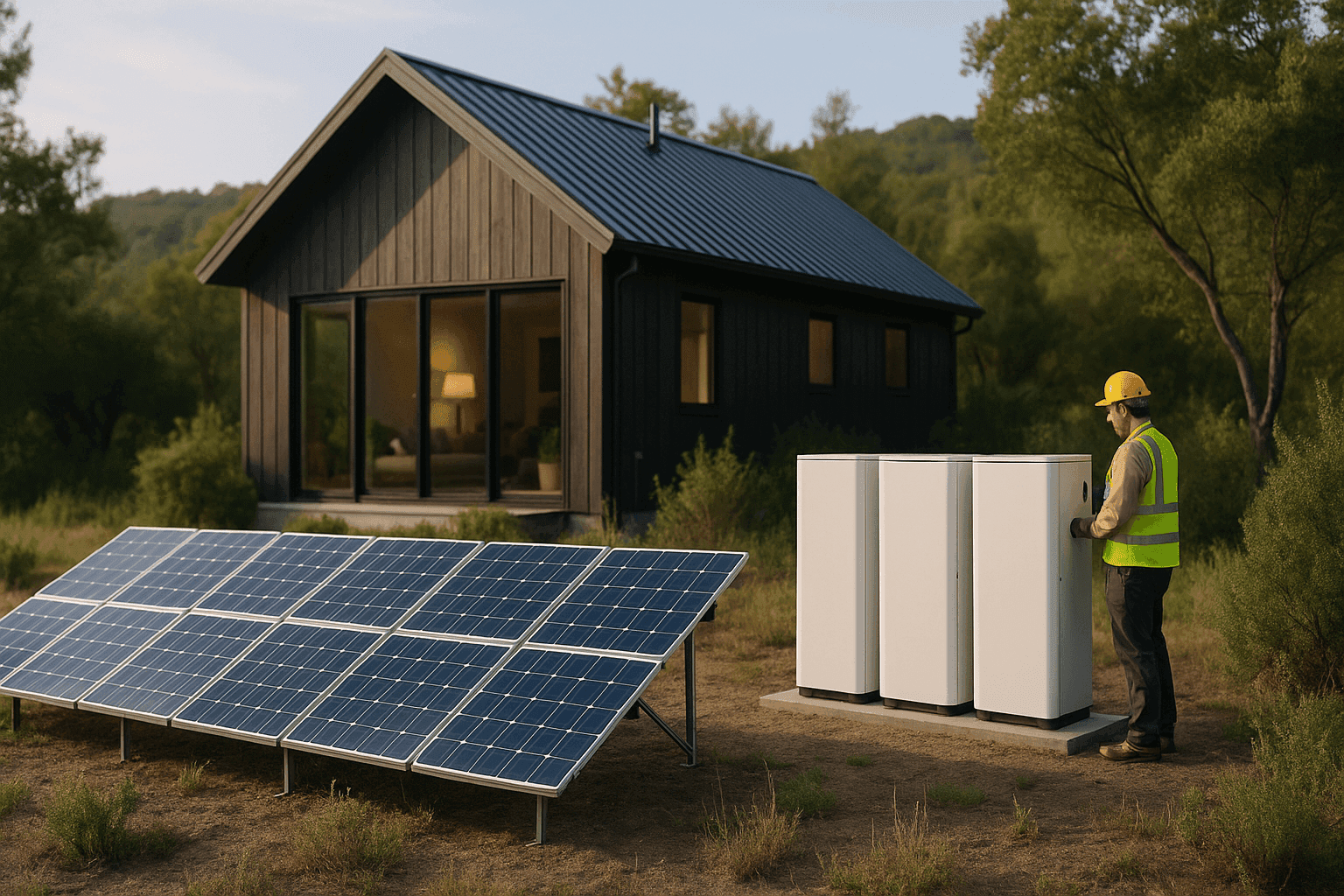
Ready to unplug from the grid? The idea is tempting—no more utility bills, no more outages. Just pure, independent power from the sun. But going off-grid is more than flipping a switch. It’s a lifestyle change. One that needs careful planning, clear expectations, and the right support.
At Vintage Roofing Solar, we work with homeowners who want freedom and resilience. We also see the challenges up close. Here’s what you need to know before choosing off-grid solar for your home.
What Is Off-Grid Solar?
Off-grid solar means your home runs entirely on solar power—no connection to the public utility. Imagine your house as a self-sufficient island, producing and storing all the electricity it needs. When the sun shines, your solar panels charge batteries. When clouds roll in or night falls, those batteries keep your lights on.
This is different from grid-tied systems, which send extra power back to the grid and draw from it when solar alone isn’t enough. Off-grid means total independence—and total responsibility.
Pros and Cons vs. Grid-Tied
Going off-grid is a big step. Here’s what to weigh:
Pros:
- No electric bills. Ever.
- Protection from blackouts.
- Full control over your energy use and source.
- Ideal for remote locations without grid access.
Cons:
- Higher upfront costs—especially for batteries and backup.
- More maintenance and monitoring.
- Energy use must match what your system can provide.
- No safety net if your system fails.
Think of grid-tied like renting a backup generator from your neighbor. Off-grid? You own and maintain everything yourself. 🏡
Key Components (Panels, Batteries, Inverters, Generators)
An off-grid solar system is more than just panels on a roof. It’s a carefully balanced team:
- Solar Panels: Capture sunlight and turn it into electricity. The heart of your system.
- Batteries: Store energy for use at night or on cloudy days. Lithium-ion batteries are popular for their lifespan and reliability, but there are other options.
- Inverter: Converts the electricity from DC (what panels make) to AC (what your home uses).
- Backup Generator (optional): Kicks in during long stretches of bad weather or heavy use.
- Charge Controller: Protects batteries from overcharging.
- System Monitoring: Lets you track performance and catch problems early.
Getting these pieces to work together takes careful design.
Sizing Your System for Reliability
Sizing an off-grid solar system is like packing for a long trip with no stores along the way. If you forget something, you’re out of luck.
Steps to right-sizing:
- Calculate your daily energy use. Add up everything—appliances, lights, devices.
- Plan for peak days. Consider seasonal changes. Winter and cloudy weeks mean less solar production.
- Add a safety margin. Most pros recommend 20–30% extra capacity.
- Size your battery bank for at least 2–3 days of backup. More if you live where storms or outages are common.
- Factor in backup generation. For long, sunless spells.
The National Renewable Energy Laboratory (NREL) offers calculators to help with estimates. But nothing beats a site-specific assessment.
Installation, Permitting, and Safety
Off-grid solar installation isn’t a weekend project. It’s closer to rewiring your home from scratch.
Key steps:
- Site survey: Shade, roof angle, and available space matter.
- Permitting: Local codes may require specific wiring, grounding, or safety devices. The National Electrical Code (NEC) Article 690 covers solar installations.
- Mounting: Secure panels to withstand wind, snow, and time.
- Wiring: Needs to meet electrical safety codes. Mistakes can lead to fire or equipment damage.
- Battery safety: Batteries must be ventilated, isolated, and protected from temperature extremes.
- Final inspection: Local authorities may need to sign off before use.
A professional installer makes sure your system is safe, legal, and reliable.
Cost and Maintenance Factors
Off-grid solar costs more upfront than grid-tied. Here’s why:
- Batteries: The largest single expense. They need regular maintenance and will need replacement after several years.
- Backup generator: Often a must-have for reliability.
- Monitoring and safety systems: Critical for long-term performance.
- Installation labor: More complex than a grid-tied setup.
Ongoing costs:
- Battery replacement every 8–15 years, depending on type.
- Occasional generator servicing.
- Regular panel cleaning and system checks.
Solar Financing Options near you can help offset the upfront investment. Incentives, tax credits, and loans can make off-grid more affordable—ask about what’s available in your area.
Realistic Expectations and Common Challenges
Off-grid living isn’t for everyone. Here’s what homeowners often find surprising:
- Energy limits: You’ll need to watch your usage—no endless hot showers or running the dryer all night.
- Weather dependence: Several cloudy days in a row? The generator will need to step in.
- Maintenance: Batteries don’t last forever. Panels need cleaning. Connections need checking.
- Troubleshooting: If something breaks, it’s on you (or your installer) to fix it.
But for those who value independence, the trade-offs can be worth it. 🌞
Practical Tips for Prospective Off-Grid Homeowners
- Start with an energy audit. Know exactly what you use—and where you might cut back.
- Invest in efficient appliances. Off-grid homes thrive on low-energy lighting, refrigeration, and heating.
- Plan for growth. Family expanding? Considering an electric vehicle? Factor that into your design.
- Maintenance matters. Schedule regular checkups for your batteries, wiring, and panels.
References and Resources
- National Renewable Energy Laboratory (NREL): Guidance on system sizing and technology choices.
- U.S. Department of Energy: Advice on solar incentives and technology basics.
- National Electrical Code (NEC): Article 690 for solar installation safety.
Is Off-Grid Solar Right for You?
Ask yourself:
- Do I live where grid power is unreliable or unavailable?
- Am I ready to monitor and maintain my own energy system?
- Can I adapt my lifestyle to fit my system’s capabilities?
- Do I have access to Solar Financing Options near you or incentives to help with cost?
If you’re seeking true energy independence and are ready for the responsibilities, off-grid solar can be a rewarding path.
Call for Professional Design and Installation
Off-grid solar isn’t plug-and-play. The right design and installation make all the difference—especially for safety and system longevity. Vintage Roofing Solar brings years of expertise to every project, helping you avoid costly errors and maximize your return on investment.
Call Vintage Roofing Solar now — or reach us anytime at 877-837-7706 .