Solar System Upgrades: When & Why to Modernize Your Home Solar
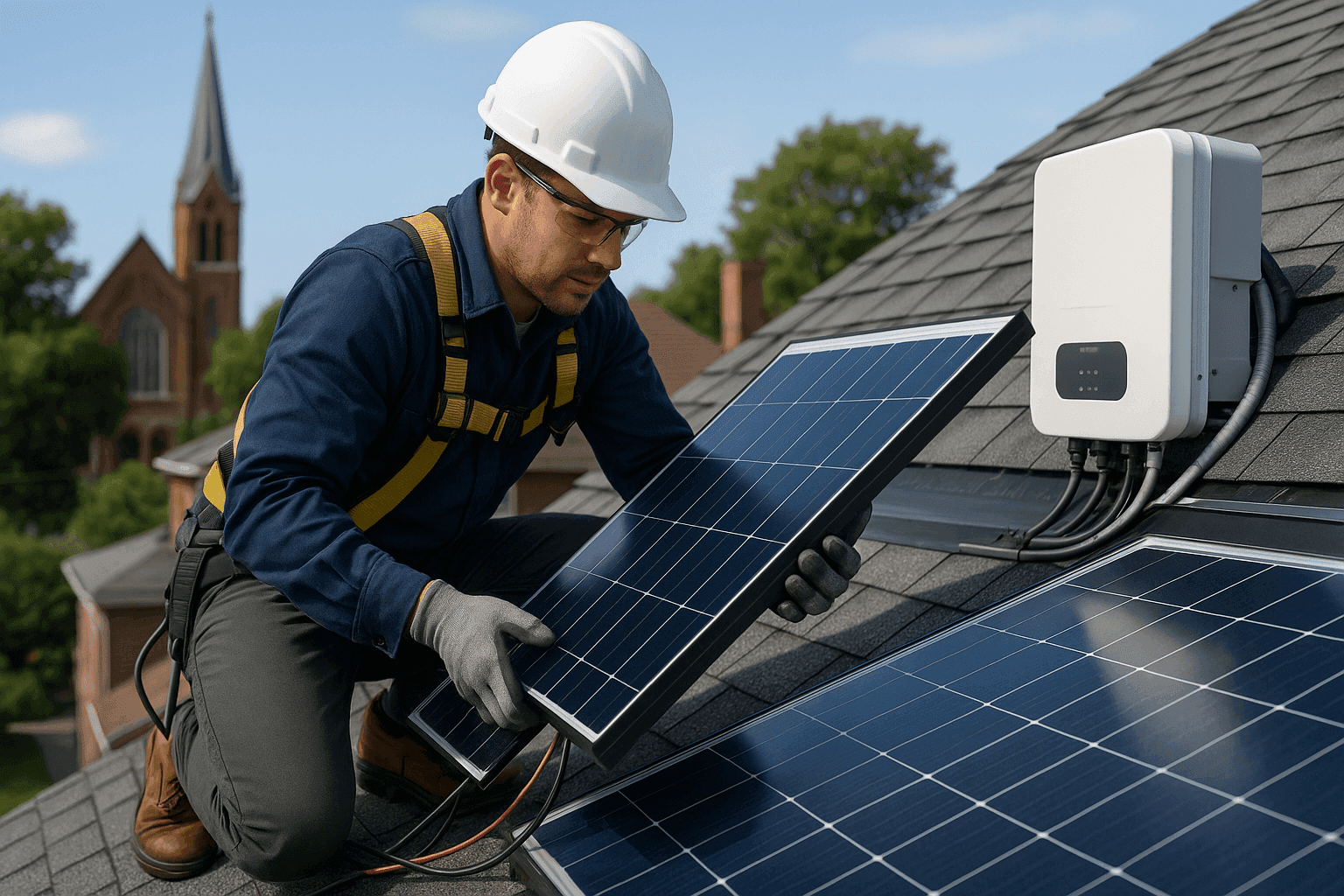
Is your solar system running like a well-oiled machine, or is it more like an old clock—ticking, but not quite on time? Many homeowners don’t realize that those panels on the roof need more than just sunlight to keep shining at their best. Over time, even the most reliable solar setups can lose their edge.
Let’s face it: technology moves fast. If your home solar system is more than a few years old, you could be missing out on better performance, new safety standards, and savings. Vintage Roofing Solar is here to help you figure out when an upgrade is smart, how it works, and what options make sense for your home and budget.
Signs Your System Needs an Upgrade 🕵️
Not all solar systems age gracefully. Here’s how to spot when your setup might be holding you back:
- Dwindling Output: Are your energy bills creeping up, even though your habits haven’t changed? Older panels and inverters lose efficiency over time—sometimes up to 20% or more after 10–15 years.
- Frequent Repairs: Do you find yourself calling for fixes more than you’d like? Repeated inverter failures, broken panels, or worn-out wiring are red flags.
- Outdated Equipment: Many homes still run on older string inverters or panels that can’t keep up with today’s standards. If your inverter hums like a fridge or your system lacks monitoring, it’s likely time.
- No Battery Backup: If you’re still fully grid-dependent, you’re missing out on the resilience and savings of modern battery storage.
- Limited Monitoring: Can you see how much your system produces, or is it a guessing game? Today’s systems offer smartphone apps and real-time data.
- Expired Warranties: Most panel warranties last 20–25 years, but inverters and batteries may be out of coverage much sooner.
- Roof Work Needed: Planning to replace your roof? It’s a prime time to assess your solar array and upgrade.
Real-World Scenario:
Mary installed solar in 2012. Her system worked fine, but she noticed her bills rising. After a quick check, she found her inverter was outdated and producing less than half its original output. Upgrading her inverter and panels slashed her bills and even let her add a battery.
Benefits of Modern Panels and Inverters
It’s like trading in your old flip phone for a smartphone. Modern solar tech brings big advantages:
- Higher Efficiency: New panels convert more sunlight into power, so you get more electricity from the same roof space.
- Better Durability: Today’s panels withstand harsher weather and have longer lifespans.
- Smaller Footprint: Fewer, higher-output panels mean less roof coverage for the same power.
- Improved Safety: Modern inverters and rapid shutdown devices meet the latest National Electrical Code (NEC) standards, reducing fire risk.
- Smarter Inverters: Microinverters and optimizers mean each panel works independently—so shade or dirt on one doesn’t drag down the whole system.
- Longer Warranties: Many new panels offer warranties up to 30 years.
Safety Note:
The National Renewable Energy Laboratory (NREL) and the U.S. Department of Energy recommend periodic system upgrades to ensure compliance with evolving safety codes.
Adding Battery Storage or Smart Monitoring
Picture your solar system as a water tank. Without a battery, any “overflow” goes back to the grid. With a battery, you store what you need for a rainy day (or a blackout).
Battery Storage:
- Energy Independence: Keep the lights on during outages.
- Peak Shaving: Use stored power when utility rates spike.
- Backup for Emergencies: Critical loads—fridge, lights, and medical devices—keep running.
Smart Monitoring:
- Real-Time Tracking: See your output, consumption, and savings on your phone.
- Early Problem Detection: Catch issues before they become costly.
- Performance Optimization: Adjust usage for top efficiency.
Tip:
Some utilities offer incentives for adding storage or smart controls. Ask about “Solar Financing Options near you” to help offset upgrade costs.
Cost and ROI of Upgrades
Upgrades aren’t just about spending—they’re about investing in a brighter, more reliable future.
- Panel Upgrades: Expect costs to vary widely by system size, roof type, and panel quality. Most homeowners see payback in 5–10 years, sometimes less with incentives.
- Inverter Replacement: Older inverters are often the first point of failure. Modern replacements can boost output and reliability.
- Battery Storage: Prices have dropped, but batteries are still a significant investment. Incentives (like the federal solar tax credit) can reduce out-of-pocket costs.
- ROI Factors: Savings depend on local energy rates, how much sun your roof gets, and your home’s usage patterns.
Example:
Replacing a 10-year-old solar array with new panels and a battery cut one homeowner’s grid use by 80%. Over the next decade, that upgrade paid for itself—and then some.
How to Choose the Right Upgrades
Solar isn’t one-size-fits-all. Here’s how to map the right path for your home:
- Assess Your Needs: Are you after lower bills, more backup power, or better monitoring?
- Check Compatibility: Some older systems can be partially upgraded; others need a full overhaul.
- Consider Roof Age: If your roof is nearing replacement, coordinate solar upgrades for less hassle and cost.
- Review Incentives: Federal, state, and local rebates can make upgrades more affordable. The U.S. Department of Energy’s Database of State Incentives for Renewables & Efficiency (DSIRE) is a good resource.
- Think Long-Term: Choose panels and batteries with strong warranties and proven performance records.
Tip:
Ask for a shading analysis. Even a small change in nearby trees or buildings can affect which upgrades make sense.
Professional vs. DIY Upgrades
Tempted to tackle upgrades yourself? Here’s what to weigh:
DIY:
- Pros: Lower labor costs, sense of accomplishment.
- Cons: Most upgrades require electrical code knowledge, permitting, and specialized tools. Mistakes can void warranties or create safety hazards.
Professional Installation:
- Pros: Certified installers handle permits, code compliance, and warranty paperwork. Work is inspected and up to code.
- Cons: Higher upfront cost, but often offset by fewer problems and better long-term performance.
Safety Warning:
Solar upgrades involve high voltage and roof work. The National Electrical Code requires all grid-tied systems to meet specific standards—this is not a project for a typical Saturday afternoon.
What to Expect During the Process 🛠️
Here’s a step-by-step look at a typical solar upgrade:
- Site Assessment: A technician examines your current system, roof, and electrical setup.
- Design Proposal: You’ll get options for panels, inverters, batteries, or other upgrades—plus costs and timelines.
- Permitting: The installer handles paperwork with your local building department.
- Installation: Old equipment is removed and new components are installed. For panel upgrades, expect some roof work.
- Inspection: Your city or county inspects the system for code compliance.
- Activation: System is tested and switched back on. You’ll be shown how to use new monitoring tools.
- Follow-up: Warranties and documentation are provided, and you’ll have support for future questions.
Real-World Scenario:
John’s 2008 solar system needed new panels and a battery. From assessment to activation, the whole process took just over a week—with only one day of roof downtime.
Performance, Safety, and Warranty Considerations
Upgrades aren’t just about more power—they’re about peace of mind.
- Performance: Newer panels and inverters boost your system’s efficiency, letting you squeeze more out of every sunbeam.
- Safety: Modern systems include rapid shutdown and arc-fault protection—now required by the NEC.
- Warranty: Professional upgrades protect your investment. DIY changes can void panel or inverter warranties.
Tip:
Ask for a system performance audit before and after upgrades. This helps document improvements and keeps warranties valid.
Future-Proofing: What’s Next for Home Solar?
Solar keeps evolving. Even if you upgrade today, there are steps you can take to stay ahead:
- Modular Design: Choose components that can be expanded or replaced individually.
- Smart Home Integration: Look for systems that work with home automation and demand response programs.
- Regular Inspections: Schedule annual or bi-annual checkups to catch issues early.
- Stay Informed: The U.S. Department of Energy and Solar Energy Industries Association (SEIA) provide updates on technology and incentives.
Frequently Asked Questions
How do I know if my solar system is underperforming?
Compare your recent energy bills to when the system was new. If output drops more than 10–15% without a clear reason, it’s time for a checkup.
Will upgrading void my old warranties?
Upgrading with a professional installer often extends or renews warranties. DIY changes can put coverage at risk.
Are there financing options for solar upgrades?
Yes—“Solar Financing Options near you” may include loans, leases, or power purchase agreements. Ask about local and federal incentives.
Can I add a battery to my existing solar system?
In most cases, yes. Compatibility depends on your current inverter and system design. A site assessment will clarify your options.
Local and Seasonal Considerations 🌞
- Snow and Ice: If you live in a snowy climate, modern panels shed snow faster and are less prone to cracking.
- Storms and Hurricanes: New mounting systems offer better wind resistance and waterproofing.
- High Heat: Upgrading to heat-resistant panels and inverters can boost summer performance.
- Local Codes: Building and electrical codes change—especially after major weather events. Always check your local requirements before upgrading.
Tip:
Each region has unique incentives and requirements. Check with your utility or city’s building department before starting.
Modernizing your home solar system isn’t just about keeping up with the times—it’s about protecting your investment and making every ray count. Whether you’re looking for more power, safer equipment, or smarter monitoring, upgrades pay off in comfort and peace of mind.
Call Vintage Roofing Solar now — or reach us anytime at 877-837-7706 .